
Steel in public infrastructure continues to drive how cities expand, modernize, and maintain essential services. From transportation hubs and bridges to government buildings and public safety facilities, structural steel remains one of the most dependable and scalable building materials available.
Why Infrastructure Projects Keep Leaning on Steel
Public infrastructure projects require durability, long service life, and predictable performance under heavy use. Steel provides consistent structural integrity while allowing engineers to design complex systems efficiently. Compared to many traditional materials, steel offers superior load-bearing capacity with reduced overall weight, making it ideal for large civic structures.
Governments also prioritize materials that reduce long-term maintenance costs. Properly specified structural steel for government buildings can perform reliably for decades with routine inspections and minimal intervention.
Strength-to-Weight Ratio and Long Spans
One of steel’s most valuable advantages is its strength-to-weight ratio. Steel enables long-span structures with fewer columns, which is critical for public spaces like transit terminals, court buildings, and municipal facilities. Open layouts improve traffic flow, accessibility, and adaptability for future renovations.
Speed and Fabrication Efficiency
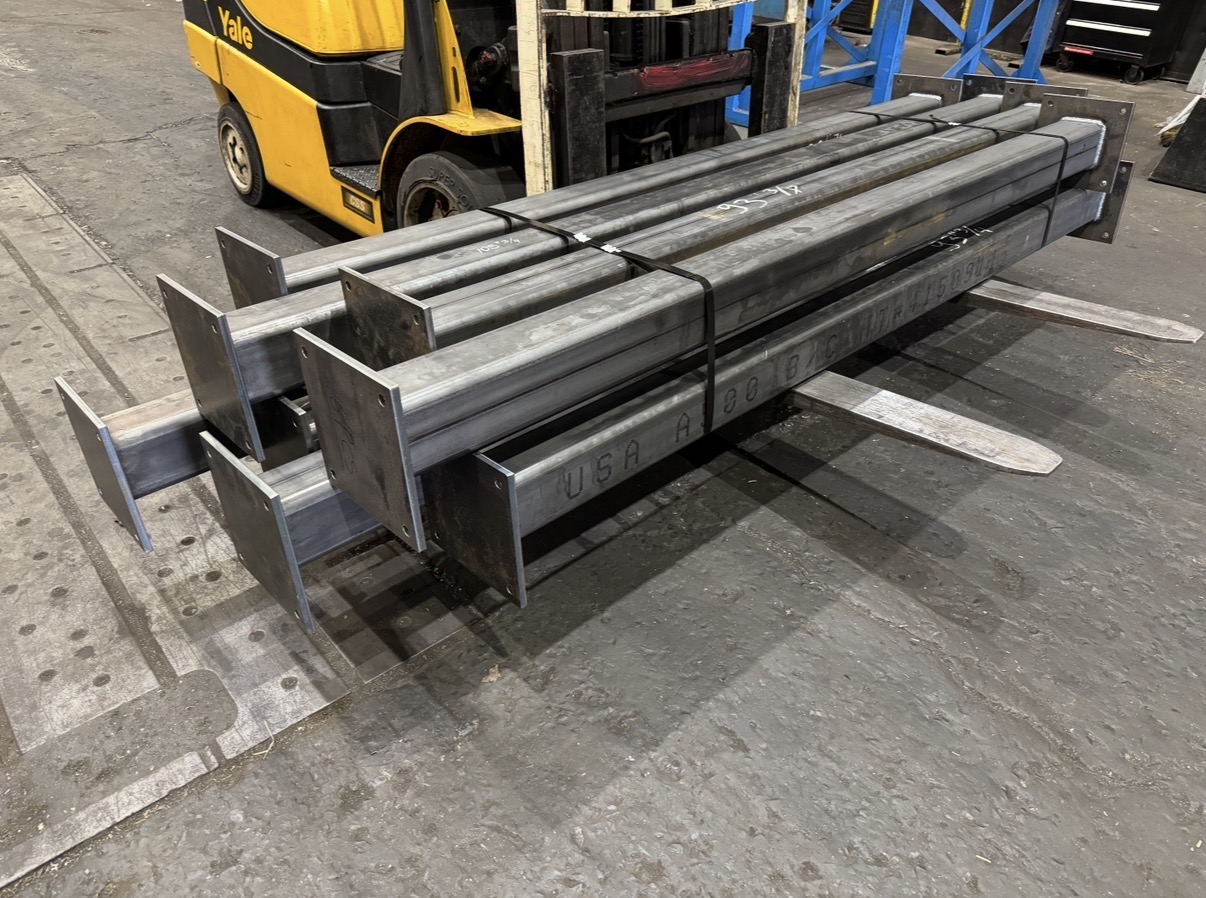
Infrastructure steel fabrication often takes place off-site in controlled environments. This allows for higher precision, faster installation, and fewer jobsite delays. In public projects, where schedules directly affect communities, reducing construction time is a significant benefit.
Lifecycle Cost Advantages
When evaluating lifecycle cost steel provides, public agencies often find that durability, ease of retrofitting, and recyclability improve total asset value. Steel structures can be reinforced, expanded, or modified without full replacement, extending useful life.
As infrastructure demand grows nationwide, steel will remain central to how cities build stronger, smarter systems.